The announcement is a training commitment, not a completed workforce
Anthropic announced Claude Frontier Academy on October 2, 2026, backed by a stated $100 million commitment and a goal of training 10,000 Frontier Deployed Engineers by the end of 2027. The 10,000 figure is a future target, not a completed result. The announcement presents the Academy as a response to the skills needed to take AI systems from an idea into an operating business process.
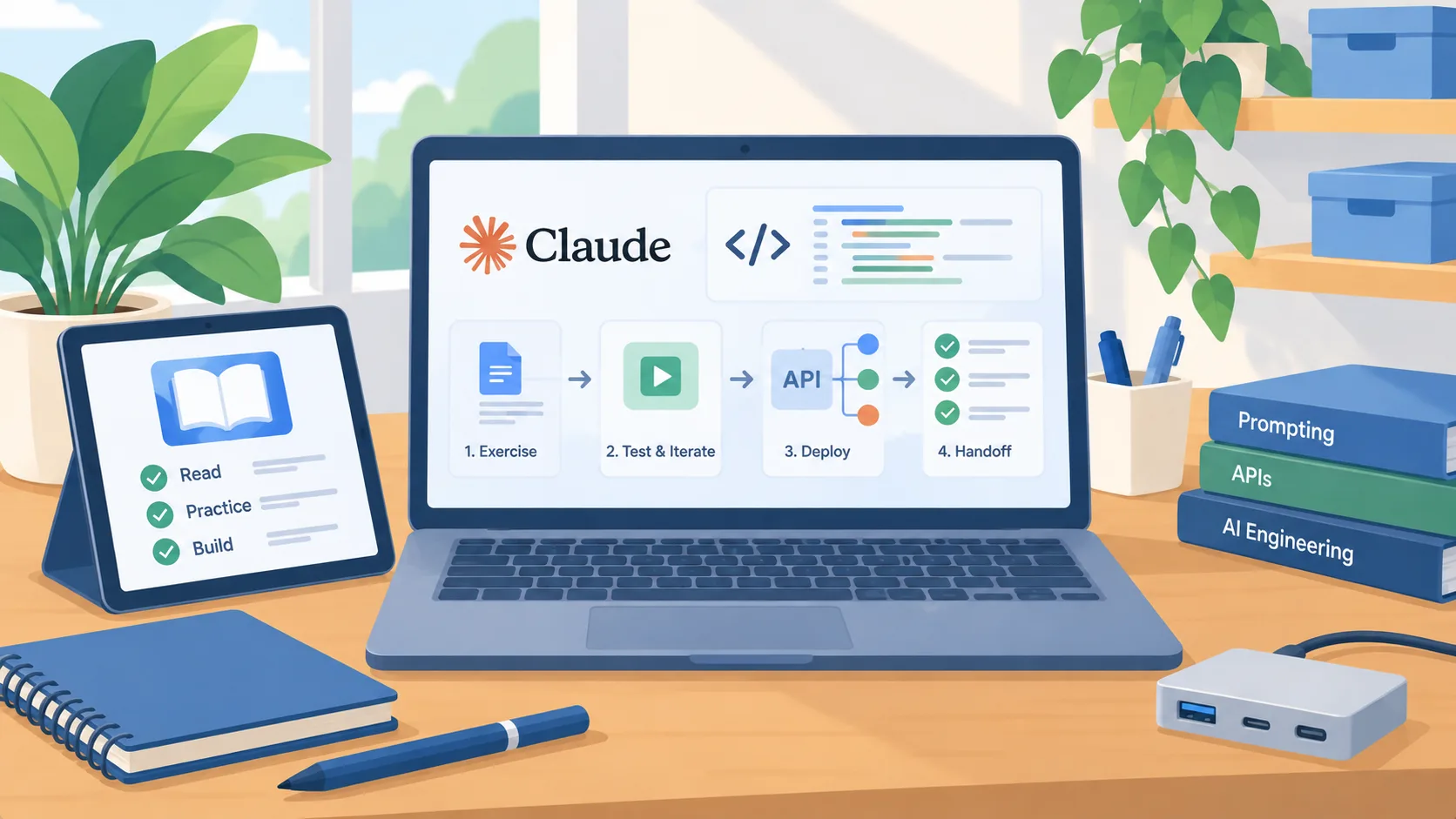
The program is aimed at engineers nominated by their organizations. Anthropic described a residency that combines instruction, practical exercises, assessment, and work on a real use case. Its first badge recipients are expected in early 2027. Those are program plans; they do not show how many engineers will complete the training or whether a particular business will gain access to one.
A trained builder still needs a business problem and an accountable sponsor
The useful lesson for a smaller business is not to imitate a large company’s staffing plan. It is to treat implementation skill as a combination of technical ability and knowledge of the actual work. A capable builder cannot choose the right automation from a vague request such as “use AI more.” Someone inside the business must explain where work begins, what a good result looks like, which exceptions matter, and who is allowed to approve a change.
Give any AI project a named business owner before selecting a tool or contractor. That person should be able to answer three questions: which job is being improved, who will use the result, and who will maintain it after launch? A technical lead can build and test the workflow, but the business owner decides whether the new process is acceptable and ensures that staff know how to use it.
Keep the first project small enough to learn from
A sensible first project has a clear start and finish, a repeatable input, and a human who can catch a poor result before it causes harm. For example, a team might test whether an assistant can classify a defined set of incoming requests and prepare a draft routing suggestion. It should not silently close requests, promise a response time, or change a customer record until the team has tested the result and agreed on the approval step.
Write down the current process before changing it. Note what information arrives, where staff look for context, which decisions require judgment, and what happens when information is missing. Then define a small acceptance check using representative examples. The point is not to create a large AI program on day one; it is to make the first change observable enough that the owner can decide whether to keep, adjust, or stop it.
Ask for evidence of delivery, not a credential count
Training can improve a team’s ability, but a badge does not establish that a particular system is suitable for your business. When considering an outside implementation partner, ask who will do the work, how they will learn your process, what they will test, and what documentation you will receive. Ask to see how they handle permissions, errors, human review, and handoff. The answers should describe a real delivery method, not rely on a future industry target.
A useful handoff includes the workflow map, system connections, access decisions, known failure cases, and instructions for changing or pausing the automation. Staff should know how to report an incorrect result and who can respond. If the implementer cannot explain how the system behaves when a source is unavailable or an input is unusual, the project is not ready to run unattended.
Choose the next step before choosing a program
An announced training effort can be useful context, but it does not decide whether AI belongs in your process. Start by selecting one recurring task that has a clear beginning and end. Write down what a correct result looks like, who is affected, and how a person will check the work. If the team cannot describe those points, first clarify the process instead of buying training or building software.
For the first trial, use examples that represent ordinary work as well as missing, unusual, and conflicting inputs. Keep a record of corrections and the time needed to review outputs. Agree in advance who can pause the workflow and how staff will continue manually if the system is unavailable. The trial should answer a business question, not merely demonstrate that a model can produce an answer.